
Sustainable Ecommerce Growth and Why Eco-Friendly is Business-Friendly
Why Sustainable Ecommerce Growth Is the Smartest Business Move You Can Make
Sustainable ecommerce growth means building an online business that increases revenue without burning through the planet’s resources. It balances profit, people, and environmental impact — what’s often called the triple bottom line.
Here’s a quick breakdown of what it means in practice:
- Eco-friendly operations — reducing packaging waste, carbon emissions, and energy use
- Ethical supply chains — transparent sourcing, fair labor, and responsible materials
- Circular business models — resale, repair, refurbishment, and take-back programs
- Consumer alignment — meeting rising demand for brands that genuinely care
- Long-term profitability — lower costs, higher loyalty, and access to premium pricing
This isn’t a niche trend. The global sustainable ecommerce market is projected to grow from $15 billion in 2024 to $47 billion by 2032 — a 15.3% annual growth rate. Meanwhile, 80% of consumers say they’ll spend an average of 9.7% more for sustainably produced goods.
The shift is already happening. Brands that ignore it risk losing customers, market share, and eventually, relevance.
In this guide, you’ll learn how to embed sustainability into your ecommerce strategy in ways that actually drive growth — not just good press.
I’m Trav Lubinsky — entrepreneur, investor, and founder of Trav Brand — and I’ve spent years launching and scaling consumer brands like Flex Watches, where I saw how purpose-driven positioning creates loyal customers and sustainable ecommerce growth. Everything in this guide is built from real-world brand experience, not theory.

The Environmental Impact of Modern Online Retail
To achieve sustainable ecommerce growth, we first have to look at the “elephant in the room”: the traditional “take-make-dispose” model. For years, the industry has prioritized speed and convenience over everything else. But that convenience comes with a heavy environmental price tag.
The Packaging Problem
Every year, over 8 million metric tons of plastic waste enter our oceans. To put that into perspective, it’s like a garbage truck full of plastic being dumped into the water every single minute. In ecommerce, packaging waste is a major culprit. We’ve all had that experience where a tiny USB drive arrives in a box big enough for a microwave, stuffed with plastic air pillows. It’s not just a “pet peeve”; it’s an environmental disaster.
Carbon Emissions and the “Scopes”
When we talk about emissions in the context of the Greenhouse Gas Protocol, we categorize them into three “Scopes”:
- Scope 1: Direct emissions from sources we own or control (like a company-owned delivery van).
- Scope 2: Indirect emissions from the generation of purchased electricity, steam, heating, and cooling used by our business.
- Scope 3: This is the big one. It covers all other indirect emissions in our value chain, including the production of goods we sell, transportation by third-party carriers, and even how customers use and dispose of products. For most ecommerce brands, Scope 3 accounts for 95% of total emissions.
The High Cost of Returns
Online shopping has a return problem. Return rates for ecommerce typically sit between 20% and 30%, compared to just 9% for brick-and-mortar stores. These returns generate an estimated 24 million tonnes of CO2 annually. We need a billion mature trees working full-time just to combat the carbon produced by ecommerce returns alone.
Primary Environmental Challenges
- Logistics Footprint: Transportation and logistics contribute roughly 29% of greenhouse gases in the US.
- Plastic Pollution: Only about 17% of the 59.4 million tonnes of ecommerce waste generated in 2022 was actually recycled.
- Supply Chain Opacity: Without transparency, it’s impossible to address issues like deforestation, water pollution, or unethical labor practices deep in the supply chain.
The Business Case for Sustainable Ecommerce Growth
Some brands worry that going green will kill their margins. We’re here to tell you the opposite is true: sustainability is a massive profit lever. By 2026, it won’t just be a “nice-to-have”; it will be a foundational pillar for competitive advantage.
Revenue Uplift and Customer Loyalty
Research shows that sustainability initiatives can achieve revenue uplifts of 8% to 14%. Why? Because consumers are voting with their wallets. 85% of consumers have adopted more sustainable behaviors, and 45% now expect sustainability as a standard offering.
This is especially true for younger cohorts. 62% of Gen Z prefer to buy from sustainable brands, even if it means paying a premium. When we build brands at Trav Brand, we focus on this emotional connection. A 5% increase in customer retention can boost profits by 25% to 95%, and sustainability is one of the strongest retention tools in our kit.
The Power of ESG Claims
Products making Environmental, Social, and Governance (ESG) claims are outperforming their peers. Over a five-year period, products with ESG claims saw 28% cumulative growth, compared to just 20% for those without.
Performance Metrics
| Metric | Sustainable Brands | Traditional Brands |
|---|---|---|
| Average Order Value (AOV) | 10% Higher | Baseline |
| Customer LTV | Double-digit lift | Baseline |
| Purchase Likeliness | 17-30% Increase | Baseline |
| Brand Loyalty | 28% Increase | Baseline |
If you’re looking to scale, check out our more info about ecommerce brand development to see how we integrate these values into a brand’s DNA from day one.
Strategic Pillars for Scalable Green Operations
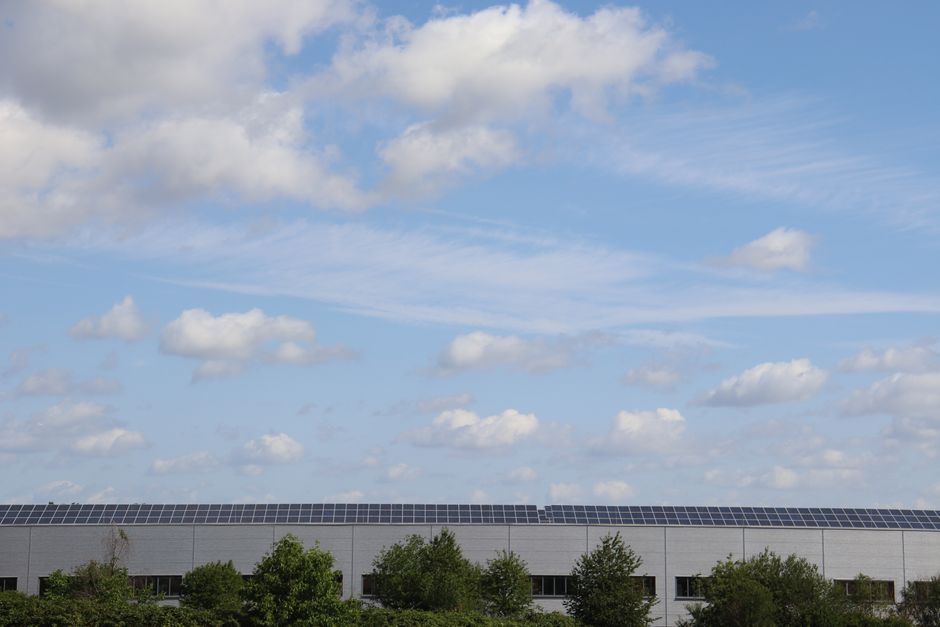
Achieving sustainable ecommerce growth requires a holistic shift in how we operate. It’s not just about changing the tape on your boxes; it’s about rethinking the entire lifecycle of your products.
Ethical Sourcing and Materials
Sustainable growth starts at the source. We recommend auditing your suppliers to ensure they meet high standards for labor and environmental impact. This might mean switching to materials like organic cotton, recycled polyester, or even innovative fibers like eucalyptus.
In our case study on Flex Watches, we demonstrated how a brand can lead with purpose. By aligning every purchase with a cause and focusing on responsible production, we built a community that values the “why” behind the product as much as the product itself.
The Circular Economy
The future of retail is circular. This means moving away from “buy-use-toss” toward models that keep products in use longer:
- Re-commerce: Selling used or refurbished goods. This can add 5-10% in additional revenue.
- Repair Services: Offering to fix products instead of replacing them, which reduces warranty claims by up to 15%.
- Take-back Programs: Incentivizing customers to return old products for recycling or upcycling.
Sustainable Packaging Solutions
The sustainable packaging market is projected to reach $73.3 billion by 2028. It’s time to ditch the plastic.
- Minimalist Design: Right-sizing your boxes can cut material use by up to 40%.
- Biodegradable Materials: Look into mushroom-based packaging, seaweed-based mailers, or cornstarch peanuts.
- Reusable Systems: Some platforms now offer packaging that customers can return to be cleaned and refilled.
Implementing Green Logistics for Sustainable Ecommerce Growth
Logistics is where the rubber meets the road—literally. Between the warehouse and the customer’s doorstep, there are dozens of opportunities to reduce your footprint.
Industry research indicates that logistics optimization is one of the fastest ways to see an ROI on sustainability.
- Route Optimization: Using AI to plan the most efficient delivery routes can reduce fuel costs and emissions by 10-20%.
- Bundled Deliveries: Encouraging customers to wait a few extra days so all their items arrive in one box. Surprisingly, over 50% of consumers are willing to wait longer if they know it’s better for the planet.
- Last-Mile Innovation: The “last mile” is the most carbon-intensive part of the journey. Using electric vehicles (EVs), cargo bikes, or even drones in urban areas can slash emissions. Drone deliveries, for example, can reduce emissions by up to 90% compared to fossil-fueled vans.
- Local Hubs: Storing inventory closer to your customers reduces the distance packages have to travel, cutting shipping costs by 15-20%.
Leveraging Technology for Sustainable Ecommerce Growth
We live in an era where data is our greatest ally. Technology doesn’t just make us faster; it makes us greener.
- AI for Demand Forecasting: One of the biggest wastes in ecommerce is overstocking. AI can predict demand with incredible accuracy, reducing inventory waste by 20-30%.
- Blockchain for Transparency: We can use blockchain to create an unchangeable record of a product’s journey, from the raw material stage to the customer’s hands. This builds immense trust.
- Virtual Try-Ons: By using AR and AI to help customers see how a product fits before they buy, brands can reduce return rates by 30-40%. If you’re curious about how this fits into your overall site strategy, read our guide on how to optimize conversion rate.
- Smart Contracts: These can automate compliance with sustainability standards across your entire supply chain.
Actionable Steps for Future-Proofing Your Brand
Ready to get started? You don’t have to change everything overnight. Sustainable ecommerce growth is a marathon, not a sprint. Here is our recommended roadmap:
1. Measure Your Baseline
You can’t manage what you don’t measure. Use the GHG Protocol to map out your emissions across Scopes 1, 2, and 3. There are great software tools like Sweep or Sourcemap that can help you track this data in real-time.
2. Set Net-Zero Goals
Align your targets with the Science Based Targets initiative (SBTi). Aim for a realistic but ambitious path to net-zero by 2040 or 2050.
3. Implement “Green Nudges”
Use your website to guide customers toward better choices.
- Green Labeling: Highlight products that are eco-certified.
- CO2 Transparency: Show the carbon footprint of each shipping option at checkout.
- Sustainable Filtering: Allow shoppers to filter by “recycled materials” or “carbon neutral.”
4. Prepare for Regulatory Changes
The rules are changing. In the EU, the Corporate Sustainability Reporting Directive (CSRD) is already in effect for large companies. By 2026, the EU Digital Product Passport will likely mandate transparency on product origins. Even if you aren’t based in Europe, these standards often become the global benchmark.
For a deeper dive into how to market these efforts without “greenwashing,” check out our guide to ecommerce marketing strategies.
Frequently Asked Questions about Sustainable Ecommerce
What are the first steps to measure ecommerce emissions?
The gold standard is the GHG Protocol. Start by mapping your value chain to identify where your biggest impacts are. Most brands find that their “purchased goods and services” (Scope 3) are the heaviest hitters. You’ll need to collect data from your suppliers and logistics partners to create an accurate baseline.
How does sustainability impact customer lifetime value?
Sustainability builds a “strategic moat.” When a customer aligns with your values, they aren’t just buying a product; they’re joining a mission. This creates a deep emotional connection that leads to higher repeat purchase rates.
For example, in our case study on Kramoda Coffee, we showed how storytelling around the sourcing and “why” of a product can turn a one-time buyer into a lifelong fan. Sustainable brands often see double-digit lifts in LTV because they give customers a reason to stay that goes beyond price.
Can small businesses afford to implement green practices?
Absolutely. In fact, some of the most effective green practices actually save money. Minimalist packaging reduces material costs and shipping fees. Local sourcing can reduce lead times and transit costs. Digital receipts save on paper. We recommend starting with “quick wins” like optimized packaging and then reinvesting those savings into larger initiatives like renewable energy.
Conclusion
At Trav Brand, we believe that the most successful companies of the next decade won’t just be the ones with the best products, but the ones with the best purpose. Sustainable ecommerce growth isn’t about sacrificing profit for the planet; it’s about recognizing that, in the modern market, they are one and the same.
By implementing circular models, leveraging AI for efficiency, and being radically transparent with your customers, you’re not just helping the Earth—you’re future-proofing your business against rising costs, stricter regulations, and shifting consumer loyalty.
We don’t just consult; we build. We help purpose-driven brands navigate this complex landscape to achieve measurable, scalable results. If you’re ready to grow your brand the right way, start your content marketing journey with us today. Let’s build something that lasts—for your bottom line and for the world.