Designing Your Lifestyle: Why It Matters for Your Happiness and Goals
Are you feeling stuck in a rut, unsure of how to create the lifestyle of your dreams? It’s time to take the reins and start designing your ideal lifestyle. We all have unique priorities, values, and goals, and our lifestyles should reflect these aspects of ourselves. By intentionally designing your dream lifestyle, you can improve your physical, mental, and emotional health and achieve personal growth and success. Here are some steps you can follow to design your ideal lifestyle, along with examples from my own life.
Step 1: Reflect on Your Priorities and Values
Before you can design your ideal lifestyle, you need to understand what truly matters to you. Spend some time reflecting on your priorities and values. What are your core values? What do you want to achieve in the long term? What aspects of your life are most important to you?
Once you have a clear understanding of your priorities and values, you can start designing a lifestyle that aligns with them. For example, if maintaining good physical health is a priority for you, you may incorporate routines for regular exercise, meal planning, and self-care into your lifestyle. If you value personal growth and learning, you may include routines for reading, learning a new skill, or engaging in hobbies that stimulate your mind.
Step 2: Identify Your Ideal Routine
Once you have a clear understanding of your priorities and values, the next step is to identify your ideal routine. This involves establishing habits and routines that will help you achieve your goals and live a fulfilling life.
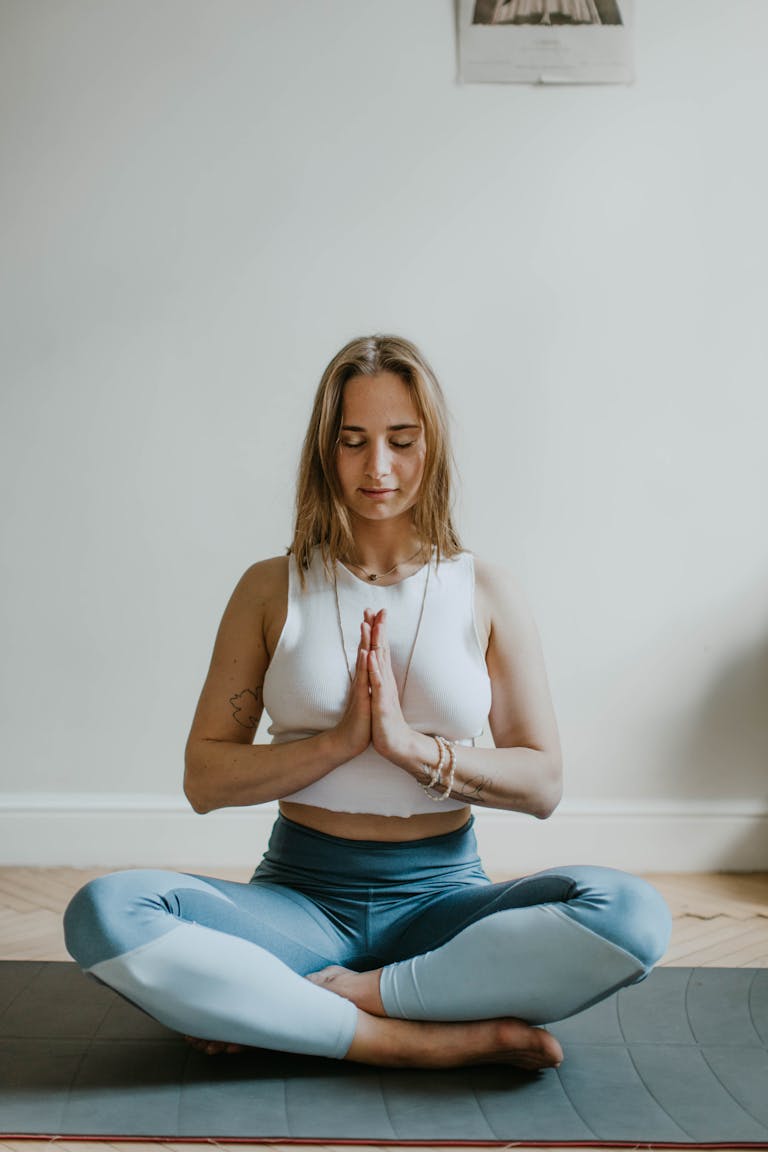
Consider different aspects of your life, such as sleep, morning routines, workout routines, work routines, financial routines, mental health routines, and so on. Think about what routines would best support your goals and values. For example, if you prioritize mental health, you may establish a routine for meditation or mindfulness practices. If you value work-life balance, you may create a routine for setting boundaries between work and personal time.
Step 3: Incorporate Routines into Your Lifestyle
Once you have identified your ideal routines, it’s time to incorporate them into your lifestyle. This may require some adjustments to your current habits and behaviors. Start by taking small steps and gradually building up your routines over time. Be consistent and committed to making these routines a part of your daily life.
For example, if you have identified a morning routine that includes exercise, meditation, and a healthy breakfast, you can start by setting aside time in the morning for these activities and gradually make them a non-negotiable part of your daily routine. Similarly, if you have established a financial routine that involves saving and budgeting, you can create a system to track your expenses, set savings goals, and make regular contributions to your savings account.
Step 4: Be Flexible and Adaptive
It’s important to remember that life is unpredictable, and circumstances may change. It’s essential to be flexible and adaptive in designing your ideal lifestyle. Be open to making adjustments to your routines as needed, while still staying aligned with your priorities and values.
For example, if your work schedule changes, you may need to adjust your workout routine or find alternative ways to prioritize your physical health. If you experience a change in your financial situation, you may need to revisit your budget and savings goals. Being flexible and adaptable allows you to navigate life’s challenges while still maintaining a lifestyle that supports your well-being and goals.
Here are some examples from my life:
In my own life, I have designed my ideal lifestyle by incorporating various routines that align with my priorities and values. For instance:
Sleep Routine: I prioritize getting enough sleep for my physical and mental health. I have established a consistent sleep routine that involves going to bed and waking up at the same time every day, avoiding screens before bedtime, and creating a relaxing bedtime routine that includes reading or listening to soothing music.
Morning Routine: My morning routine is designed to set a positive tone for the rest of the day. I start my day with a few minutes of meditation, followed by a healthy breakfast and some light exercise, such as stretching or going for a walk. This routine helps me to feel energized and focused for the day ahead.
Workout Routine: Physical health is important to me, so I have incorporated a regular workout routine into my lifestyle. I schedule regular exercise sessions, such as going to the gym or doing home workouts, and make it a non-negotiable part of my routine. This helps me to stay physically fit and mentally refreshed.
Financial Routine: I value financial stability and security, so I have established a financial routine that includes budgeting, saving, and investing. I track my expenses, set savings goals, and make regular contributions to my savings and investment accounts. This routine helps me to be mindful of my spending and savings habits and work towards my long-term financial goals.
Mental Health Routine: Taking care of my mental health is a top priority for me, so I have incorporated various mental health routines into my lifestyle. This includes practicing mindfulness and meditation, engaging in hobbies that I enjoy, and setting boundaries to manage stress and avoid burnout. These routines help me to maintain good mental health and well-being.
Work Routine: As someone who works from home, I have established a work routine that helps me to stay productive and maintain a healthy work-life balance. This includes setting specific work hours, creating a designated workspace, and taking regular breaks to avoid burnout. This routine allows me to be efficient and focused during work hours and also gives me time for personal activities and self-care.
Being flexible and adaptive in my routines has also been crucial in designing my ideal lifestyle. There are times when unexpected events or changes in circumstances require me to adjust my routines, and I have learned to be open to making necessary changes while still staying aligned with my priorities and values.
In conclusion, designing your ideal lifestyle involves reflecting on your priorities and values, identifying your ideal routines, incorporating them into your lifestyle, and being flexible and adaptive as needed. Examples from my life, such as sleep routines, morning routines, workout routines, work routines, financial routines, and mental health routines, show how intentional routines can help create a lifestyle that aligns with your goals and values. By designing your ideal lifestyle, you can create a fulfilling and meaningful life that brings you joy, success, and well-being. Remember, it’s never too late to start designing the lifestyle of your dreams – take the first step today!